3min read
credit: @catsanddogsworld
That shift matters. Once you stop reading the behavior as defiance and start reading it as data, the path forward gets much clearer. Cats eliminate where they feel physically safe, environmentally comfortable, and medically stable. When one of those pieces breaks down, the litter box is often the first place you see it.
Most litter box issues fall into three buckets: health, setup, and stress. The tricky part is that they can overlap. A cat with mild constipation may start avoiding the box because elimination hurts. Then the box area becomes emotionally loaded, and now you are dealing with a learned avoidance pattern too.
Medical causes always come first. Urinary tract inflammation, crystals, infection, kidney disease, diabetes, arthritis, constipation, diarrhea, and pain can all change litter box habits. If your cat suddenly stops using the box, strains, vocalizes, produces tiny amounts of urine, or starts going much more often, that is not a wait-and-see moment. Senior cats and male cats especially need quick veterinary attention for urinary issues.
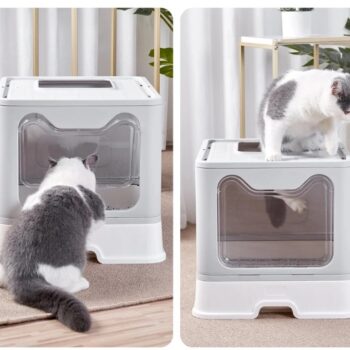
If your vet rules out a medical problem, the next layer is the litter box experience itself. Cats are sensitive to box size, litter texture, scent, cleanliness, noise, and location. A covered box may trap odor and feel cramped. A laundry room may sound fine to you but feel like an ambush zone when the dryer kicks on. A scented litter that smells fresh to humans can be overpowering to a cat with a much stronger nose.
Then there is stress, which is a major driver in indoor cats. Changes in routine, a new pet, neighborhood cats outside the window, conflict in a multi-cat household, moving furniture, guests, travel, or even boredom can all affect elimination. Stress does not always look dramatic. Sometimes it shows up as a cat who starts peeing on soft surfaces because those areas feel safer and more absorbing.
Many owners assume one box is enough for one cat, or that if the cat used the box for years, the setup must still work. But cats are not static. Their preferences, mobility, stress level, and household dynamics change over time.
The first mistake is box quantity. In multi-cat homes, competition and social tension can make one box effectively unavailable. The standard rule is one box per cat, plus one extra. That is not overkill. It creates choice, reduces guarding, and gives anxious cats a better chance of finding a safe option.
The second mistake is placement. A box tucked in a basement corner may save floor space, but it can fail behaviorally. Cats prefer easy access, privacy without isolation, and a clear escape route. If one cat can trap another near the box, accidents often follow.
The third mistake is assuming cleanliness means your standard, not the cat’s. Some cats tolerate a once-daily scoop. Others start objecting long before the box looks bad to you. If you are dealing with accidents, increase scooping frequency before changing ten other variables.
The last common mistake is changing too much at once. Owners often buy a new litter, new box, deodorizer, mat, and location in a single weekend. That can muddy the real cause and add stress. A structured approach works better.
Start with a veterinary check if the behavior is new, sudden, or paired with any change in appetite, thirst, grooming, vocalizing, or energy. Behavior change is often the first visible sign that something physical is wrong.
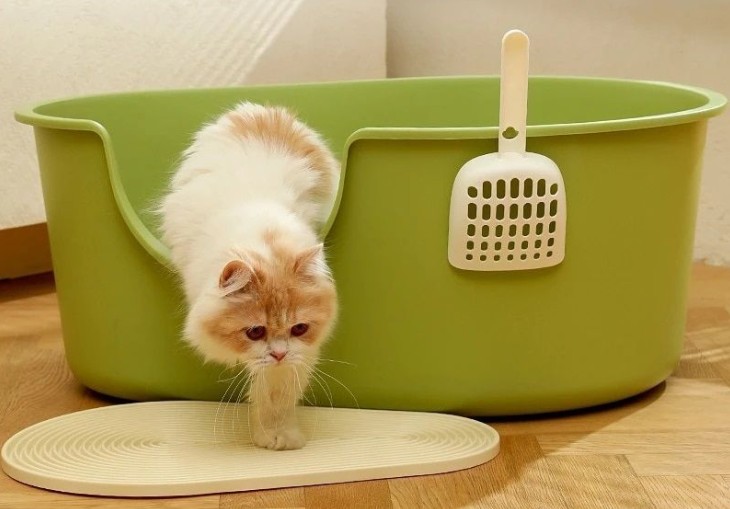
Once medical causes are addressed, simplify the litter setup. Choose a large, open box if possible. Many commercial boxes are too small, especially for larger cats. Your cat should be able to turn around comfortably without touching all four sides. For seniors or cats with stiffness, low-entry boxes can make a major difference.
Use an unscented litter and keep the texture consistent for now. Most cats prefer a soft, fine-grain litter, but it depends on the cat. If you have been switching brands often, stop. Consistency lowers stress and gives you cleaner feedback.
Place boxes in quiet, easy-to-access areas on different sides of the home if possible. Avoid putting all boxes in one room. Multiple boxes in a single lineup may feel like one resource to a cat who is worried about another cat nearby.
Clean accident spots thoroughly with an enzymatic cleaner. If odor remains, your cat may return to that area because it still reads as a bathroom. Regular household cleaners often remove the smell for you, not for them.
Then look at the daily routine around the behavior. Does your cat eliminate outside the box after a loud household event, after another cat blocks the hallway, or during long stretches of under-stimulation? Patterns matter. A structured tracker can help you spot whether the issue is tied to timing, conflict, location, or routine disruption.
“Even in a loving home, a cat’s behavior can quietly indicate they need more engagement. When your cat spends most of the day lounging or sleeping, it might look peaceful — but sometimes that stillness signals boredom, not contentment. A truly enriched cat shows curiosity, alertness, and moments of self-directed play between restful naps.” p.5, Thrive & Purr: The Modern Indoor Cat Wellness Guide
Stress-related litter box issues are common in indoor cats because indoor living can be safe but still under-enriching. A cat may have food, water, and a clean box but still feel tense, bored, or territorially insecure. When that happens, the litter box problem is often one symptom of a bigger wellness gap.
Look for companion signs like overgrooming, hiding, nighttime restlessness, irritability, stalking other pets, or sudden clinginess. These behaviors often travel together. The cat is not being difficult. The cat is struggling to regulate.
That is why one-off fixes can disappoint. A new litter box may help, but if the cat spends ten hours a day under-stimulated, hyper-alert, or avoiding another cat, the behavior may keep resurfacing. This is where a structured routine becomes more effective than random tips.
Short daily enrichment sessions can reduce baseline stress, especially when they are consistent. Prey-style play, predictable feeding rhythms, vertical space, visual barriers between cats, and quiet recovery zones all support healthier elimination behavior. You do not need an elaborate setup. You need a system your household can actually repeat.
In multi-cat households, litter box problems are often social before they are sanitary. One cat may not be attacking another outright, but subtle staring, blocking doorways, or rushing past the box can be enough to create avoidance.
Watch for who uses which box, who follows whom, and whether one cat waits until the other leaves before entering a room. Those details matter more than owners realize. If one cat starts eliminating on beds, couches, or laundry, that soft-surface preference may reflect a need for safety, not stubbornness.
Spread resources out. That means litter boxes, food stations, water, resting spots, and vertical territory. When all resources are clustered, conflict intensifies. Give each cat more than one way to move through the home without confrontation.
If the issue started after adoption, a move, or a household change, lower the pressure. Rebuild predictability. Regular play, calm transitions, and repeatable daily rhythms help cats feel safer faster than constant product swapping.
“Even in a loving home, a cat’s behavior can quietly indicate they need more engagement. When your cat spends most of the day lounging or sleeping, it might look peaceful — but sometimes that stillness signals boredom, not contentment. A truly enriched cat shows curiosity, alertness, and moments of self-directed play between restful naps.”
p.6, Thrive & Purr: The Modern Indoor Cat Daily Planner & Activity Tracker
Improvement is not always linear. Some cats stop having accidents within days after a box change or medical treatment. Others improve in waves, especially if stress is part of the picture. One clean week is encouraging, but what you want is a pattern of stability.
Track frequency, location, time of day, stool and urine changes, and what happened in the environment beforehand. This is where a structured, science-backed approach beats guesswork. It gives you measurable progress instead of emotional whiplash.
If you have tried the obvious fixes and the issue keeps returning, step back and assess the whole routine, not just the box. Thrive & Purr teaches this kind of behavior support in a practical way because cats rarely change through isolated hacks. They change through consistent daily inputs that lower stress and build security.
Your cat is not trying to make your life harder. They are showing you where the system is breaking down. When you respond with calm observation, better setup, and a repeatable routine, the litter box often becomes what it should have been all along – boring, predictable, and drama-free.
And honestly, that kind of boring is a huge win.
👉 Explore Thrive & Purr: The Modern Indoor Cat Wellness System










Leave a comment