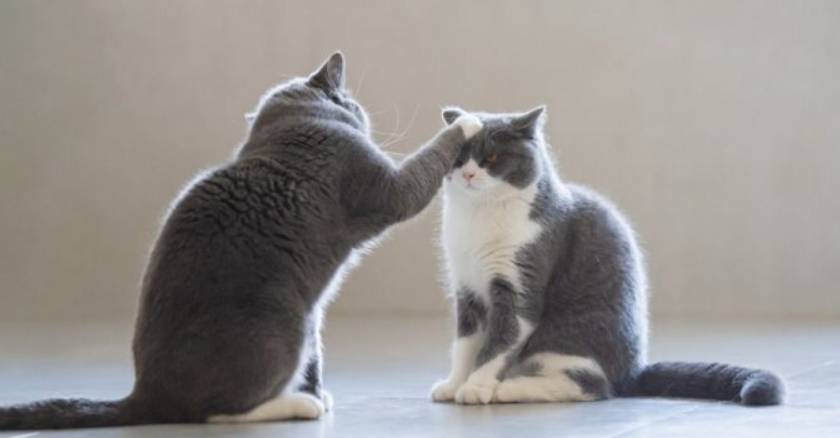
8 min read
Credit: @catsanddogsworld
That distinction matters because punishment usually makes the problem worse. If your cat is already overstimulated, fearful, frustrated, or in pain, adding yelling, spraying, or physical correction increases arousal and erodes trust. The better path is structured observation, safer handling, and a daily plan that lowers stress before aggression has a chance to build.
Aggression is a behavior, not a personality. Friendly cats can bite. Affectionate cats can swat. Even cats who seek out attention can suddenly react if their threshold is crossed.
In indoor homes, aggression often grows from a handful of predictable causes. Overstimulation is a big one. A cat may enjoy petting for a few seconds, then switch quickly when the sensation becomes too intense. Redirected aggression is another common trigger. Your cat sees a stray outside the window, gets flooded with arousal, and lashes out at the nearest person. Play aggression also shows up often in under-stimulated cats, especially when human hands or feet have become the target.
Then there’s fear-based aggression, which can follow forced handling, unfamiliar guests, loud noises, or chaotic home routines. Pain is another major factor and one owners often miss. A cat with dental disease, arthritis, skin discomfort, urinary pain, or an injury may become defensive during normal touch. If aggression appears suddenly or intensifies fast, a veterinary check should be your first move.
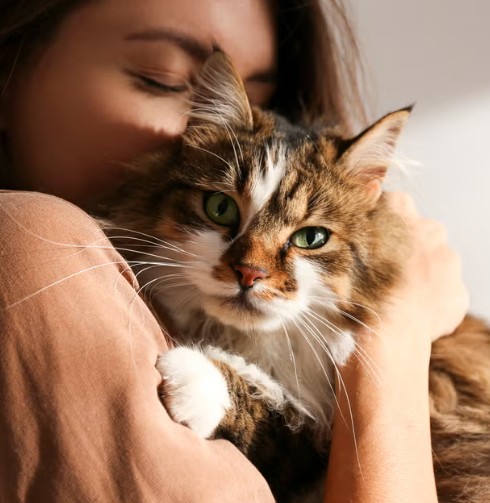
This is the classic “they asked for attention, then attacked me” situation. It feels confusing because the cat may purr, rub against you, or climb into your lap first. But consent in cats is dynamic. A cat can want closeness and still dislike extended touch.
“Cats need both solitude and stability in relationships. They thrive on predictable affection balanced with respectful independence. Let your cat choose when contact begins and ends. Autonomy builds deeper connection than insistence. Treat affection as a dialogue — pause often and read their cues.” p.8, Thrive & Purr: The Modern Indoor Cat Wellness Guide
Look for early body language changes before the bite or swat. The tail may start flicking. The skin may twitch along the back. Ears may rotate outward. The body may stiffen, and pupils may widen. Many owners miss these signals because the escalation can happen fast. Learning your cat’s threshold is one of the highest-value changes you can make.
This tends to happen in younger cats, single indoor cats, and cats with lots of energy but too little structured output. They stalk ankles, pounce on hands under blankets, or grab moving legs as you walk by. It may look “mean,” but it is usually predatory behavior with nowhere appropriate to go.
This is where random toy buying often fails. The issue is not whether your cat owns enough toys. It is whether they have a consistent, biologically satisfying sequence of stalk, chase, capture, and cooldown built into their day.
A frightened cat may hide, freeze, hiss, growl, swat, or bite if approached. This is especially common in new adopters, cats with a limited social history, or cats living in homes where routines are unpredictable. If your cat feels cornered, restraint can push them into a full defensive response.
This is one of the most intense forms of aggression toward owners. A cat becomes highly aroused by something they cannot access, like another animal outside, then attacks a nearby person or housemate cat. These episodes can look extreme and may continue for minutes or even longer while the cat stays on high alert.
If your cat is actively aggressive, your first job is safety, not discipline. Do not pick them up. Do not corner them. Do not try to “show them who’s boss.” That mindset turns a stressed cat into a more stressed cat.
Instead, create space. Step away slowly if you can. Use a pillow, blanket, or large object as a visual barrier only if needed for safety, not as a punishment. Let the cat decompress in a quiet area. During severe redirected aggression, it may take hours for the nervous system to settle. Trying to re-engage too soon often restarts the cycle.
If bites break the skin, wash the wound thoroughly and contact a medical professional. Cat bites can become infected quickly.
The biggest mistake owners make is treating aggression like an isolated event. They focus on the bite, the scratch, or the attack, but the real leverage is in what happens in the other 23 hours of the day.
A calmer cat usually comes from a calmer pattern. That means reducing unpredictability, meeting energy needs before they spill over, and tracking triggers so you can see what is actually changing behavior.
“Use consistent time anchors (ie: 7:30 am play, 6:30 pm calm) to reduce nighttime energy bursts and to signal predictability. Over time, your cat will anticipate the rhythm, arriving with curiosity instead of restlessness.” p.6, Thrive & Purr: The Modern Indoor Cat Daily Planner & Activity Tracker
For one to two weeks, track every aggressive incident. Note the time, location, what happened right before it, your cat’s body language, and how long it took them to recover. This turns a scary problem into usable data.
Patterns show up quickly. You may notice aggression happens before dinner, after window-watching, during grooming, when guests visit, or after long inactive stretches. Once you know the sequence, you can interrupt it earlier.
For play aggression and general tension, long sessions are not always necessary. What matters more is consistency. Two to three focused five-minute play blocks each day can outperform one occasional marathon session because they prevent pressure from building.
Use wand toys or toss toys that keep your hands out of the game. Let your cat stalk, chase, and “win.” Then follow with a small meal or treat to complete the hunt-eat-rest pattern. This is a science-backed way to lower frustration and improve emotional regulation in indoor cats.
Cats do better when they have escape routes, elevated spaces, and the choice to engage or leave. If your cat gets aggressive during petting, shorten the interaction before they need to defend themselves. Pet in lower-sensitivity areas, often around the cheeks or head, and stop while the cat still looks relaxed.
In multi-cat homes, control matters even more. Competition over space, food, litter boxes, or human attention can raise background stress and make owner-directed aggression more likely. More resources and better spacing often help, but the exact setup depends on the household.
If your cat fixates on animals outside and later attacks you, block the view temporarily during high-trigger times. Frosted window film, adjusted blinds, or limiting access to that room can help while you work on the bigger stress pattern. Environmental management is not a failure. It is a smart stabilizing tool.
This is the part many articles skip. Some cases improve quickly once routines change. Others take longer because multiple factors are stacked together, like pain, boredom, sleep disruption, and fear. If your cat has been rehearsing aggressive behavior for months, progress may be gradual.
That does not mean nothing is working. Often the first wins are smaller than owners expect. The cat recovers faster. The tail flicks sooner, giving you more warning. The attacks drop from daily to weekly. Those are meaningful changes because they show the nervous system is getting less overloaded.
This is where a structured system helps more than random tips. A planner, daily tracker, and enrichment checklist make it easier to stay consistent and notice progress you would otherwise miss. Thrive & Purr is built around that exact idea – practical behavior support that fits real schedules instead of asking you to become a full-time cat behavior analyst.
If cat aggression toward owners is sudden, severe, or escalating, start with a veterinarian. Pain and medical issues can sit underneath behavior in ways that look purely emotional. If medical causes are ruled out, a qualified feline behavior professional can help you build a treatment plan.
Seek extra support sooner if your cat is inflicting serious bites, attacking unpredictably, showing signs of chronic anxiety, or if there are children, older adults, or other vulnerable pets in the home. Safety matters. So does getting the right level of care early.
Living with an aggressive cat can make you tense in your own home, and cats feel that tension too. The goal is not to force obedience. It is to create a daily rhythm where your cat feels safer, clearer, and less overloaded. When you respond with structure instead of frustration, behavior starts to shift – and so does the relationship.
👉 Explore the 90-Day Wellness System








Leave a comment